Are We Replacing Human Connection with Artificial Companionship?
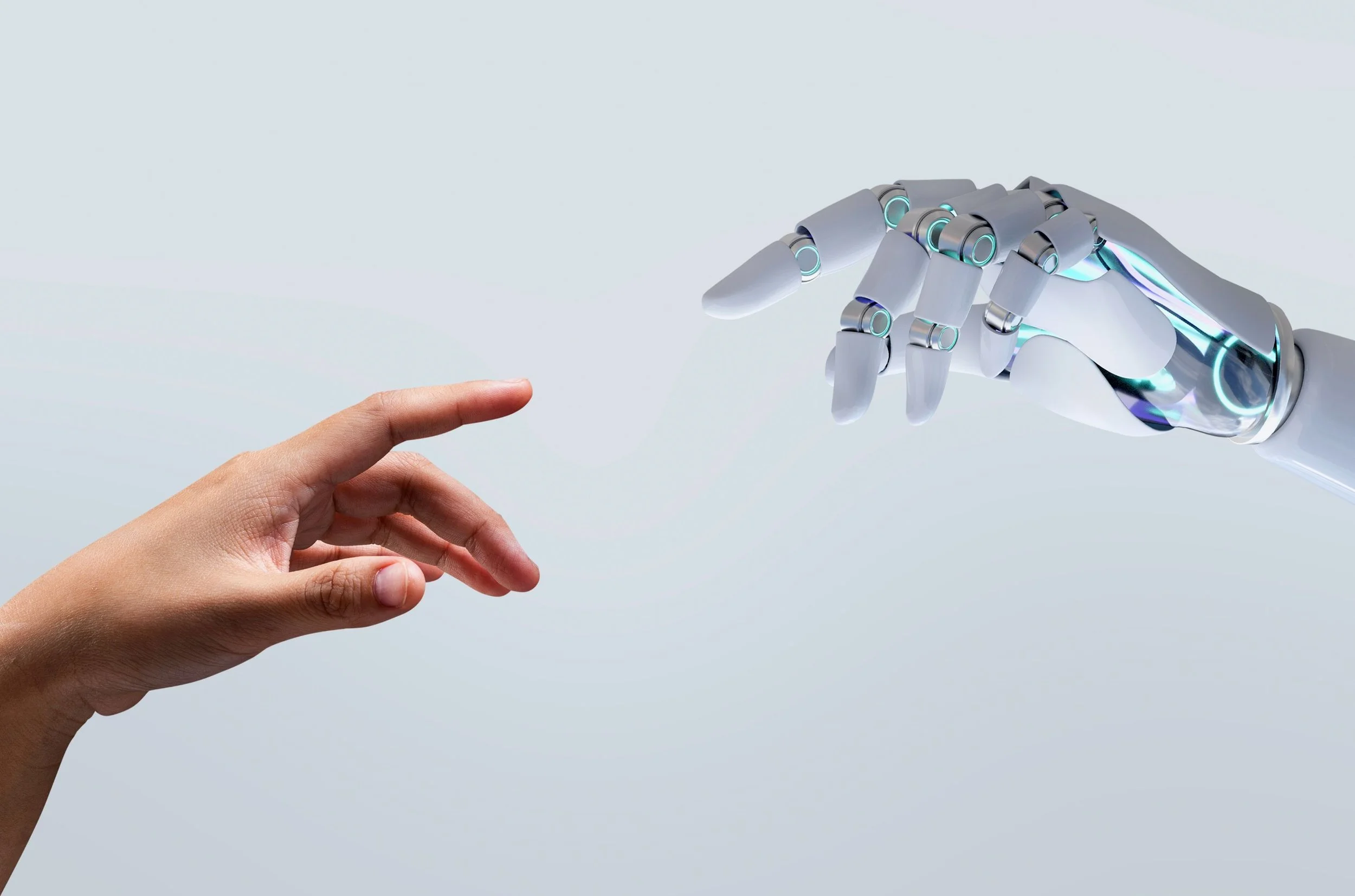
A few years ago, the idea of people turning to artificial intelligence for companionship might have sounded like science fiction.
Today, it is becoming increasingly common.
People are sharing their thoughts, fears, hopes, and daily experiences with AI companions. Some use AI as a coach, confidant, therapist, friend, or even a romantic partner.
As technology continues to evolve, it raises an important question:
Are we replacing human connection with artificial companionship?

The Need to Be Heard
At the heart of every human being is a desire to be seen, heard, understood, and accepted.
For many people, modern life can feel lonely.
We live in a world where we are more connected than ever through technology, yet many people report feeling isolated, misunderstood, or disconnected from meaningful relationships.
Human relationships can be complicated.
They involve disagreement.
They challenge us.
They don’t always give us the answers we want.
Artificial companionship is different.
It is available 24 hours a day.
It doesn’t judge.
It doesn’t get tired.
It doesn’t argue.
It doesn’t leave.
For someone feeling lonely or overwhelmed, that can be incredibly appealing.
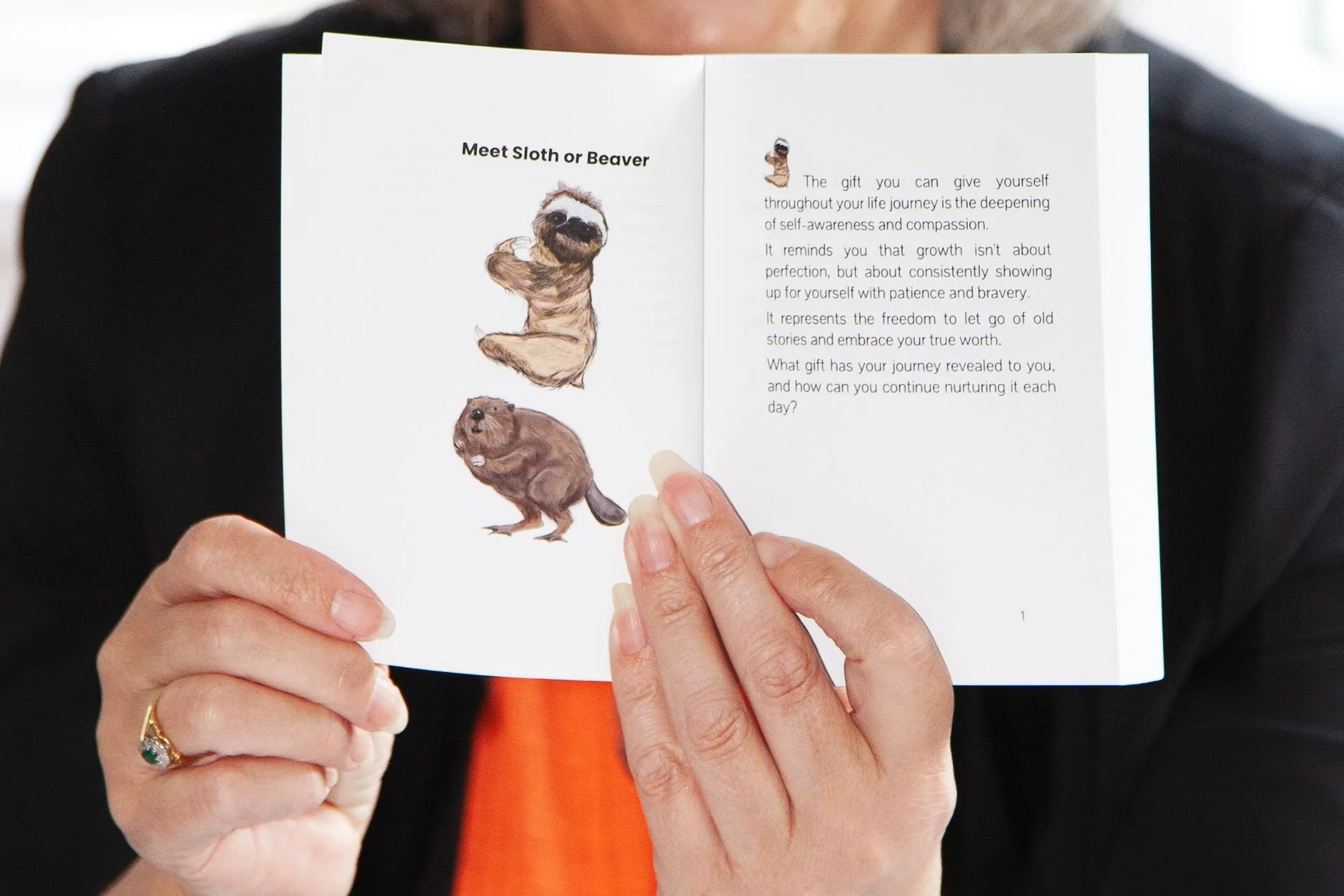
The Sloth and the Beaver Response
Within the Sloth or Beaver framework, this raises an interesting question:
Are we using technology to support connection, or to avoid it?
The Sloth is often associated with safety, protection, and retreat.
When life feels difficult, withdrawing can feel safer than risking disappointment, rejection, or conflict.
An AI companion may provide comfort without the uncertainty that often comes with human relationships.
The Beaver, on the other hand, is curious, engaged, and willing to build.
Building meaningful relationships requires effort, communication, boundaries, and trust.
It requires us to navigate differences and misunderstandings.
While AI can offer support, it cannot fully replicate the richness of human connection.
The Hidden Risk
The question is not whether AI is good or bad.
The more important question is:
How are we using it?
If AI helps someone reflect, learn, or feel less alone during a difficult period, it may serve a valuable purpose.
However, if it becomes a substitute for human interaction, we may miss opportunities to develop the skills that meaningful relationships require.
Relationships help us learn about ourselves. They reveal our fears, triggers, expectations, and patterns.
They challenge us to grow.
AI can provide answers; a relationship provides awareness.
The two are not the same.
When will it stop?
When you are ready to explore your patterns.
The patterns you use to live life based on others.
Views, behaviours, thoughts and history.
Yet, you have a choice.
What Are We Really Seeking?
When people turn to artificial companionship, they are rarely seeking technology itself.
They are seeking understanding.
Connection.
Belonging.
Acceptance.
Safety.
The real question may not be whether AI is replacing human connection.
It may be:
What is missing in our lives that makes artificial companionship so attractive?
Understanding that answer requires curiosity rather than judgement.

Welcome to my blog!
I’m Karen, and I wear many hats – author, podcaster, and speaker.
My mission is to help you unlock your full potential, navigate life's challenges, and achieve your goals. Whether you're seeking inspiration, practical advice, or a fresh perspective, you've come to the right place.
Blessings,
Karen